Geopolitical prediction markets have emerged as significant category representing estimated 5-8% of total prediction market volume, with nearly $100 million wagered on Russia-Ukraine conflict markets alone and tens of millions more on Taiwan-China scenarios, Middle East tensions, and international trade disputes. The Council on Foreign Relations acknowledged the “Rise of Geopolitical Prediction Markets” as institutional investors, policy analysts, and international relations specialists increasingly reference Polymarket and Kalshi odds alongside traditional forecasting methods.
The 2024-2025 period demonstrated geopolitical markets’ mainstream acceptance—Supreme Court tariff legality markets attracted $1+ million volume with odds swinging from 50% to 24% following oral arguments, while Israel-Iran conflict markets generated $7+ million volume in June 2025 alone. This comprehensive guide covers international conflict markets (Russia-Ukraine, Taiwan-China, Middle East), foreign policy and diplomatic relations, trade and tariff predictions, and trading strategies specific to geopolitical events where information asymmetry, regional expertise, and rapid news developments create edge opportunities.
🔥 Top Trending Geopolitical Prediction Markets
US x Iran permanent peace deal by...?

Netanyahu out by...?
Venezuela leader end of 2026?

Will the Iranian regime fall by June 30?
Kharg Island no longer under Iranian control by...?
US x Iran diplomatic meeting by...?
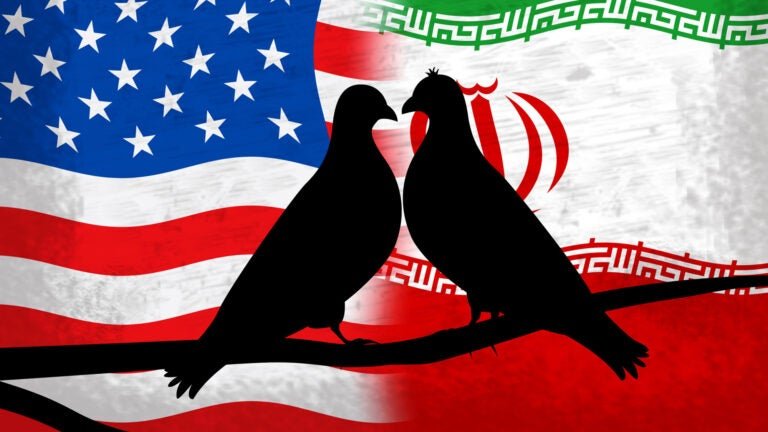
US announces new Iran agreement/ceasefire extension by...?

Will the U.S. invade Iran before 2027?

Will China invade Taiwan by end of 2026?
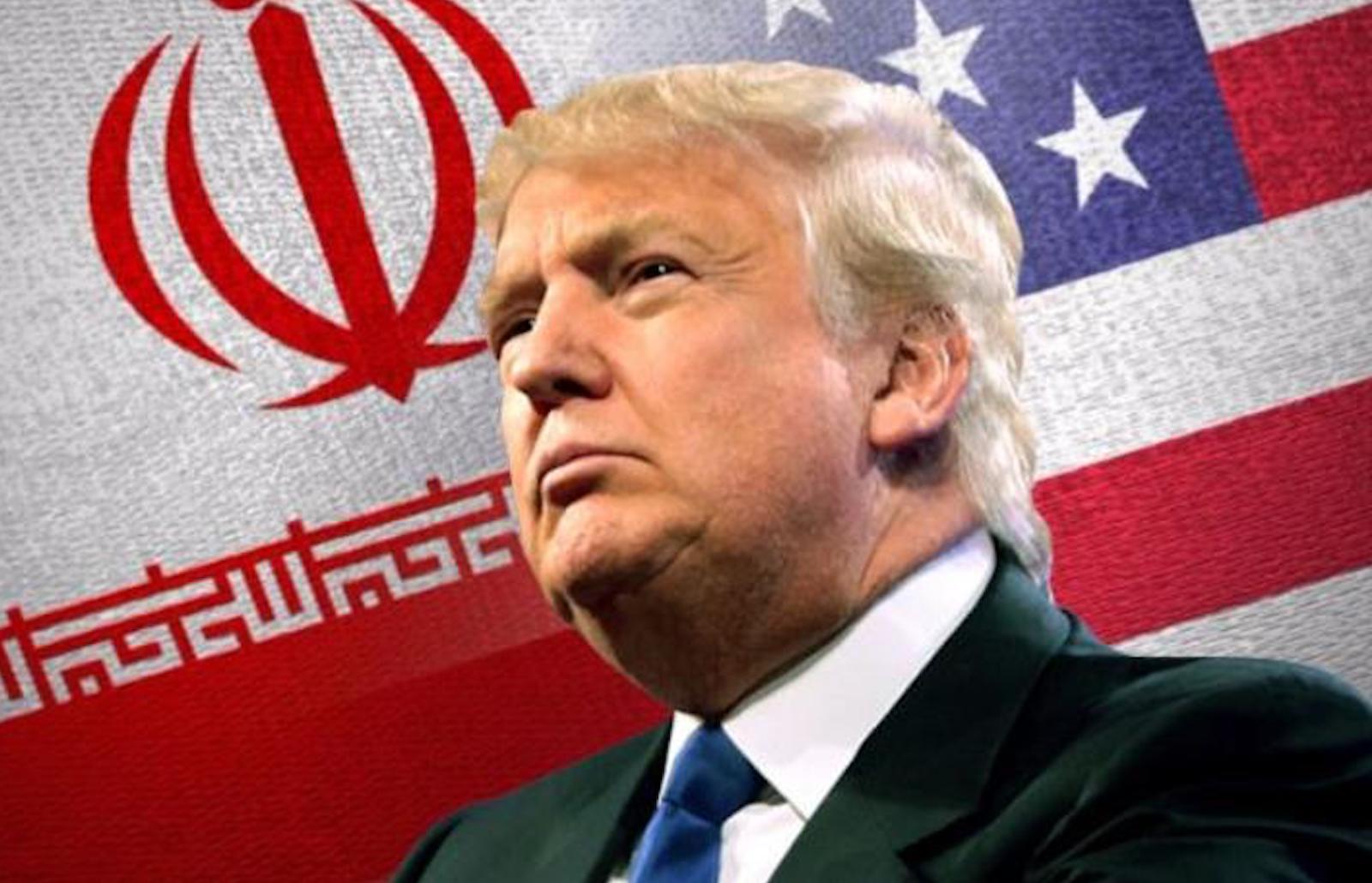
Trump announces US blockade of Hormuz lifted by...?
Why Geopolitical Markets Are Growing (5-8% Volume)
Geopolitical prediction markets occupy increasingly important position, attracting international relations specialists, regional experts, defense analysts, and traders seeking exposure to global events uncorrelated with economic cycles or domestic politics:
Binary Geopolitical Outcomes: While international relations involve complex nuance, many geopolitical events resolve binarily—ceasefires either occur or don’t, countries either invade or don’t, trade agreements either finalize or don’t. This binary resolution enables clear prediction markets despite underlying complexity. Resolution criteria typically reference official government announcements, UN reports, or authoritative news sources (Reuters, AP, AFP).
Information Asymmetry Advantages: Regional specialists—area studies scholars, defense contractors, embassy personnel, international journalists—possess information advantages over general market participants. Unlike heavily-analyzed economic data where professional consensus rapidly forms, geopolitical developments involve classified intelligence, diplomatic back-channels, and on-ground observations creating exploitable inefficiencies for informed traders.
Institutional Interest: Foreign policy think tanks (Council on Foreign Relations, Brookings Institution, CSIS), multinational corporations managing geopolitical risk, and hedge funds tracking macro geopolitical factors increasingly reference prediction market probabilities. This institutional attention drives liquidity and legitimacy versus purely retail categories.
Long Timeframes Allow Analysis: Geopolitical markets often run 3-12+ months (ceasefire predictions, trade negotiations, territorial disputes), allowing deep research and position-building unlike daily weather markets or weekly sports events. Traders have time to consult academic papers, track diplomatic developments, and analyze historical precedents.
Diversification Benefits: Geopolitical markets provide returns uncorrelated with traditional financial markets. While stock/bond portfolios suffer during geopolitical shocks, traders positioned correctly in conflict or trade policy markets profit from volatility. Portfolio managers allocate small percentages to geopolitical predictions for asymmetric upside during crisis periods.
Russia-Ukraine Conflict Prediction Markets
Russia-Ukraine war markets represent largest sustained geopolitical prediction market category, with nearly 100 active markets on Polymarket and almost $100 million total volume staked as of mid-November 2025.
Ceasefire & Peace Agreement Markets
Primary market tracks “Russia x Ukraine ceasefire in 2025?” with $44 million cumulative volume—highest-liquidity geopolitical market globally. Current odds: 8% probability of ceasefire before December 31, 2025, down from 12-15% in early 2025 as diplomatic efforts stalled.
Market structure: “YES” pays $1 if official ceasefire agreement announced by Russia and Ukraine before deadline, “NO” pays $1 otherwise. Resolution criteria require mutual ceasefire announcement—unilateral declarations insufficient. Related markets track specific timeframes: “Ceasefire before June 30, 2025?” (resolved NO), “Ceasefire before October 2025?” (resolved NO).
Forecasting challenge: Multiple false ceasefire signals throughout 2022-2024 created volatility. Markets initially priced 40-50% ceasefire odds in March 2022 (Istanbul negotiations), dropped to 10% by May 2022 when talks collapsed, briefly spiked to 35% during grain deal negotiations July 2022, then steadily declined as conflict entrenched. Traders who understood diplomatic incentives structure and tracked negotiation prerequisites (territorial control, Western security guarantees, sanctions relief) avoided false optimism premiums.
Territorial Control Markets
Granular markets predict Russian territorial gains: “Will Russia capture Pokrovsk by end of 2025?” currently shows ~80% probability reflecting slow Russian advances in Donetsk Oblast. “Will Russia capture Kostyantynivka by end of 2026?” prices at ~76%, suggesting market expects prolonged campaign with sustained Russian pressure but decelerating gains.
“Will Ukraine hold Kursk through 2024?” market (resolved YES) demonstrated prediction markets’ accuracy—Ukrainian forces maintained salient in Russian Kursk Oblast despite widespread analyst expectations of forced withdrawal. Markets correctly priced 60-65% odds of Ukraine holding position through December 2024, outperforming expert forecasts.
Trading Volume & Controversy
Ukraine conflict markets generated sustained trading activity: Daily volumes average $200,000-$500,000 across all Ukraine-related markets, spiking to $2-3 million during major battlefield developments (Kherson liberation November 2022, Bakhmut fall May 2023, Avdiivka capture February 2024).
Ethical controversy: DeepState Live, Ukrainian project tracking Russian troop movements launched 2022, publicly condemned Polymarket in late 2025 for unauthorized use of their battlefield mapping data to settle territorial control markets. DeepState team expressed being “outraged” that war data intended for defensive purposes enabled gambling on Ukrainian towns’ fall. This highlights ongoing ethical debates around conflict-based prediction markets.
Trading Strategies for Conflict Markets
Battlefield Momentum Analysis: Russian advances follow artillery-heavy attrition warfare pattern—gains of 1-3 km monthly during successful operations. When analyzing “Will Russia capture [city] by [date]?” markets, calculate distance from current front line, assess Ukrainian defensive fortifications (concrete strongpoints take 3-6 months to breach), and model advance rates. Markets often overprice short-term capture odds by underweighting defensive advantages.
Diplomatic Calendar Monitoring: G20 summits, UN General Assembly sessions, and major power bilateral meetings (US-China, US-Russia back-channels) create windows for ceasefire progress. Track diplomatic schedules 6-8 weeks ahead—markets sometimes misprice ceasefire odds before major diplomatic events then correct rapidly when no breakthrough occurs.
Sanctions & Economic Pressure: Russian economic resilience or stress correlates with negotiation willingness. Monitor Russian central bank reserves, ruble exchange rate, inflation data, and European energy security (winter heating demand). Severe Russian economic deterioration might increase ceasefire odds; European energy crisis might decrease Western support sustainability—both affect conflict duration markets.
Taiwan-China Military Conflict Markets
Taiwan Strait military scenarios represent highest-stakes geopolitical prediction markets, tracking potential conflict between China (PRC) and Taiwan (ROC) with global economic and security implications.
Invasion & Military Clash Probabilities
“Will China invade Taiwan in 2025?” market on Polymarket shows 6% probability, reflecting expert consensus that near-term invasion remains unlikely despite rising tensions. Historical pricing: 8-10% in early 2024, declined to 5-7% by mid-2024 as US deterrence measures strengthened, briefly spiked to 12% after US-China diplomatic tensions April 2024, settled at 6% by year-end.
Related markets: “China x Taiwan military clash by December 31, 2025?” (defines “clash” as any military encounter between PRC and ROC forces, including air/naval incidents short of invasion—prices at 15-20%, higher than invasion probability due to gray-zone activities). Metaculus forecasting platform shows 0.5% probability for 2026 Taiwan invasion, 10% for 2028, reflecting expert timelines tied to PLA capability development.
Expert context informs market pricing: Xi Jinping reportedly instructed PLA to develop invasion capability by 2027, while Taiwan’s Defense Minister estimated China possessed necessary capability by 2025. However, possessing capability differs from invasion decision—markets correctly distinguish between military readiness and political will to execute costly amphibious operation.
April 2024 Market Dynamics
CoinDesk reported “Free Money?” arbitrage opportunity April 2024: Polymarket “No” contracts on Taiwan invasion traded at 92¢, offering 8.7% annualized return if China doesn’t invade by year-end 2025. For informed traders assessing invasion probability at 5-6%, this presented statistical arbitrage—8.7% return on 94-95% probability event.
Market inefficiency persisted because: (1) retail traders overweight dramatic “invasion” scenarios versus base-rate analysis of amphibious operation complexity, (2) crypto-native Polymarket users unfamiliar with Taiwan Strait military balance, (3) 18-month lockup period discourages capital deployment despite attractive risk-adjusted returns. Sophisticated geopolitical traders captured excess returns by selling invasion panic.
Trading Considerations
PLA Military Exercises: China conducts regular Taiwan Strait military exercises—August 2022 post-Pelosi visit, April 2023 post-Tsai US transit, April 2024 post-Lai inauguration. Markets typically spike 5-10 points during exercises then revert when forces return to bases. Pattern recognition allows fade-the-fear trading strategy.
US Deterrence Posture: American aircraft carrier deployments to Western Pacific, arms sales announcements to Taiwan, and diplomatic statements (Biden’s “strategic ambiguity” erosion toward explicit defense commitments) affect invasion probabilities. Track US Indo-Pacific Command activities and congressional Taiwan support—stronger deterrence lowers invasion odds.
Economic Interdependence: Taiwan produces 60%+ of global semiconductors, 90%+ of advanced chips. Chinese invasion would devastate global electronics supply chains and trigger severe economic costs for China. Markets should incorporate Taiwan’s “silicon shield” making invasion economically irrational—traders who modeled economic interdependence avoided overpricing military scenarios.
Middle East Geopolitical Markets
Middle East conflicts generated substantial prediction market volume in 2024-2025, particularly Israel-Iran tensions and regional ceasefires, demonstrating traders’ interest in oil-producing region affecting global energy security.
Israel-Iran Conflict Markets
June 2025 Israel-Iran tensions triggered $7+ million trading volume spike across 20+ Polymarket markets: US strike on Iran: $6+ million volume, 40-48% probability at peak (dropped after White House signaled restraint). Iran strikes Israel: $1+ million volume, odds peaked at 99% following Iranian military buildup (subsequently resolved based on limited missile exchange). US-Iran nuclear agreement before July: $2+ million volume, 15-20% probability. Iran nuclear weapon possession timeframe: $154,000+ volume tracking when Iran might achieve weaponization.
These markets demonstrated rapid information incorporation—odds swung 20-40 points within hours of diplomatic statements, military movements, or intelligence leaks. Traders monitoring Israeli defense sources, Iranian state media, and US intelligence community signals captured volatility premiums.
Regional Ceasefire & Conflict Resolution
“Israel x Iran ceasefire before July 2025?” and related regional stability markets track broader Middle East de-escalation. Lower liquidity ($200,000-$800,000 per market) versus Israel-Iran military action markets reflects traders’ assessment that formal ceasefires unlikely given proxy conflicts (Hezbollah, Houthis, Syrian militias) and absence of direct Iran-Israel negotiations.
Oil market correlation: When Middle East conflict probabilities spike, crude oil futures typically rise $3-8 per barrel on supply disruption fears. Traders positioning in geopolitical prediction markets sometimes hedge with oil futures—if conflict market pays out, oil positions also profit; if tensions resolve, conflict market loses but oil positions offset. Creates effective volatility strategy.
International Trade & Tariff Markets
Trade policy prediction markets exploded in prominence during 2024-2025 US administration’s aggressive tariff policies, creating frequent trading opportunities as policy announcements, legal challenges, and bilateral negotiations progressed.
Supreme Court Tariff Legality
Highest-profile trade market tracked “Will Supreme Court uphold Trump tariffs?” following legal challenges to executive trade powers. Market dynamics: Pre-oral arguments (November 2025): 45-50% probability Court upholds tariffs. During oral arguments: Justices signaled skepticism about executive overreach, odds collapsed to 30% within hours as traders interpreted real-time transcripts. Post-arguments: Settled at 24-26% probability, with $1+ million total trading volume.
CNBC, Fox Business, and financial media extensively covered prediction market odds alongside traditional legal expert analysis, demonstrating mainstream acceptance. Traders monitoring Supreme Court jurisprudence (non-delegation doctrine, Chevron deference erosion) positioned ahead of casual participants relying on surface-level news.
Bilateral Trade Agreement Markets
Polymarket hosts markets tracking which countries will reach US trade agreements before specified deadlines: India: 42% probability of new trade deal by June 30, 2025 (highest odds reflect Modi government’s eagerness and strategic partnership). Vietnam: 38% probability, driven by supply chain diversification from China. Mexico: 35% probability despite USMCA existing framework—markets track supplementary agreements on specific sectors.
US-China trade deal markets: “US-China trade deal in 2025?” fluctuated wildly—60% odds January 2025 following diplomatic thaw signals, crashed to 20% March 2025 after spy balloon incident reignited tensions, recovered to 40-45% August 2025 when 90-day tariff reduction extension announced. Volatility created opportunities for traders with conviction in underlying bilateral relationship trajectory versus short-term noise.
Tariff-Specific Prediction Markets
Markets on specific tariff implementations: “Will 25% auto tariffs take effect by March 2025?” (resolved YES), “Will China retaliatory tariffs exceed 50%?” (resolved NO—China imposed 35-40% countertariffs), “Will EU-US tariff truce extend past June 2025?” (still active, 55% YES odds).
Trading edge: Commerce Department investigation calendars, USTR (Trade Representative) announcement schedules, and congressional hearing dates provide advance notice of tariff decisions. Markets often misprice probabilities 2-4 weeks before official announcements—informed traders positioned early capture 10-20 point moves.
Comparing Geopolitical to Other Categories
Geopolitical markets exhibit distinct characteristics versus other prediction market categories:
Versus Economic Markets: Economic data (CPI, Fed decisions) releases on fixed schedules with quantitative resolution. Geopolitical events (ceasefires, invasions, trade deals) occur unpredictably with sometimes ambiguous resolution criteria. Economic markets higher liquidity; geopolitical markets larger information asymmetry favoring regional specialists.
Versus Political Markets: Domestic politics cycles predictably (elections every 2/4 years); geopolitical conflicts/negotiations have indefinite timelines. Political markets attract partisan participants introducing sentiment bias; geopolitical markets attract policy specialists with more analytical approaches. Political markets 10x higher volume; geopolitical markets offer superior diversification benefits.
Versus Sports Markets: Sports resolve within hours/days with objective scorekeeping; geopolitical events span months/years with diplomatic/military complexity. Sports attract casual recreational bettors; geopolitical markets attract serious macro traders. Sports markets regulate differently (gambling frameworks); geopolitical markets operate under CFTC event contracts or decentralized platforms.
Trading Strategies for Geopolitical Markets
Geopolitical prediction trading requires different skillsets than economic or entertainment markets—regional expertise, policy analysis, and geopolitical risk modeling drive success.
Regional Expertise Development
Area Studies Immersion: Successful Russia-Ukraine traders typically read Russian-language Telegram channels (military bloggers, government officials), Ukrainian defense ministry briefings, and specialized OSINT (open-source intelligence) analysis. Taiwan-China traders monitor PLA-watching specialists, cross-strait affairs scholars, and Taiwanese defense publications. Middle East traders track Arabic media, Israeli security sources, and Iranian diplomatic signals.
Academic Paper Review: Political science journals (International Security, Foreign Affairs, Journal of Conflict Resolution) publish geopolitical forecasting research 6-12 months before mainstream awareness. Traders reading academic literature on conflict escalation patterns, alliance credibility, or economic statecraft gain theoretical frameworks for probability assessment.
Think Tank Following: Subscribe to Council on Foreign Relations, Carnegie Endowment, Brookings Institution, CSIS analysis. Senior fellows often signal policy direction before official announcements—former government officials maintain intelligence community connections providing advance indicators.
Diplomatic Calendar Trading
Summit & Conference Positioning: G7, G20, APEC, Munich Security Conference, Shangri-La Dialogue create concentrated periods where bilateral meetings occur and joint statements emerge. Position in relevant markets 3-4 weeks before summits when markets underprice breakthrough potential, exit 1-2 days after if diplomatic progress fails to materialize.
UN Security Council Sessions: Ceasefire resolutions, sanctions votes, and peacekeeping deployments require UNSC action. Monitor veto threats (Russia/China blocking Ukraine measures, US blocking Middle East resolutions) and rotating presidency schedules affecting agenda-setting.
Correlation & Hedging Analysis
Commodity Market Correlation: Middle East conflict → oil price spikes. Russia-Ukraine war → wheat/fertilizer shortages. Taiwan invasion → semiconductor supply disruption. Traders often pair geopolitical predictions with commodity futures/options for correlated exposure—conflicts pay out on both legs.
Currency Market Implications: Geopolitical stress strengthens safe-haven currencies (USD, CHF, JPY) while weakening emerging market currencies. When positioning in conflict markets, consider FX hedges—if conflict occurs, EM currencies crash offsetting some losses for global portfolios.
Equity Sector Impacts: Defense contractors (Lockheed Martin, Northrop Grumman, Raytheon) outperform during heightened geopolitical tensions. Energy companies benefit from Middle East conflicts. Semiconductor stocks suffer from Taiwan scenarios. Portfolio managers can construct geopolitically-hedged positions using prediction markets.
Platform Comparison: Polymarket Dominates
Geopolitical prediction markets concentrate heavily on Polymarket (85%+ market share) versus Kalshi due to regulatory complexities around conflict-based markets, though both platforms participate.
Polymarket: Geopolitical Market Leader
International Accessibility: Geopolitical markets benefit from global participation—European traders analyzing EU-Russia relations, Asian traders tracking Taiwan Strait, Middle Eastern traders with regional knowledge. Polymarket’s international accessibility (versus Kalshi’s US focus) provides natural advantage for globally-relevant markets.
Rapid Market Creation: Polymarket launches markets within hours of breaking geopolitical developments—Iran military buildups, surprise diplomatic announcements, territorial changes. Decentralized structure enables faster response than Kalshi’s CFTC-regulated approval processes.
Higher Risk Tolerance: Conflict and war markets face regulatory uncertainty in US—Kalshi avoided most military conflict markets pending CFTC guidance. Polymarket’s decentralized model allows controversial markets without seeking explicit regulatory approval.
Volume Leadership: Nearly $100M Russia-Ukraine markets, $7M+ Middle East markets, tens of millions on Taiwan and trade policy. Polymarket dominates geopolitical category with 90%+ volume share.
Kalshi: Trade Policy Focus
Tariff & Trade Agreements: Kalshi captured significant share of US trade policy markets (Supreme Court tariff case, bilateral trade deals) where domestic economic impact creates US trader interest and CFTC accepts financial derivatives framework.
Regulatory Clarity: Institutional traders (hedge funds, corporate treasury) prefer Kalshi’s CFTC registration for geopolitically-exposed hedging. Agricultural companies hedging trade war impacts, multinationals managing tariff costs utilize Kalshi’s compliant infrastructure.
Lower Controversy: By avoiding military conflict markets, Kalshi sidesteps ethical concerns around profiting from warfare. Trade policy, diplomatic agreements, and economic geopolitics less controversial than territorial conquest betting.
Conclusion
Geopolitical prediction markets have established themselves as significant category representing 5-8% of total prediction market volume, with nearly $100 million staked on Russia-Ukraine conflict markets, tens of millions on Taiwan-China scenarios and Middle East tensions, and growing trade policy market participation. Council on Foreign Relations’ acknowledgment of geopolitical prediction markets’ analytical value signals institutional acceptance alongside traditional forecasting methods.
The 2024-2025 period demonstrated category maturation—Supreme Court tariff markets providing real-time legal probability assessments covered by CNBC and Fox Business, Israel-Iran conflicts generating $7+ million June 2025 volume, and Ukraine ceasefire markets maintaining sustained liquidity across nearly 100 active markets. As global geopolitical complexity increases (US-China competition, climate-driven resource conflicts, technological rivalry), prediction markets offering liquid probability assessments will expand from current 5-8% share.
Successful geopolitical trading requires regional expertise—area studies knowledge, diplomatic calendar awareness, OSINT analysis skills—creating higher barriers to entry than weather or entertainment markets but correspondingly larger information advantages for specialists. Start with trade policy markets (highest data transparency, lowest ethical concerns), expand to diplomatic agreement markets, and approach military conflict markets cautiously with deep regional knowledge and awareness of ethical dimensions.