Entertainment prediction markets offer lower-stress trading opportunities with predictable seasonal patterns and historical data advantages unavailable in other categories. Weekly volume averages $2.5 million (3% of total prediction market volume), spiking to $10M+ during major awards ceremonies. Unlike political markets with months-long holds or sports markets requiring sport-specific expertise, entertainment markets reward pattern recognition from previous years’ voting behavior, critical reception analysis, and understanding industry voting demographics. This guide covers Oscars, Grammys, Emmys, and other major awards predictions, streaming show renewal/cancellation markets, celebrity news speculation, and box office forecasting.
Whether you’re trading “Oppenheimer wins Best Picture” (current 42% odds, $2.8M volume) or predicting next James Bond casting, this guide provides frameworks for entertainment prediction success.
🔥 Top Trending Entertainment Prediction Markets

Will Jesus Christ return before 2027?

Will the US confirm that aliens exist by...?

New "Stranger Things" episode released by...?

What will happen before GTA VI?

Highest grossing movie in 2026?

Where will 2026 rank among the hottest years on record?
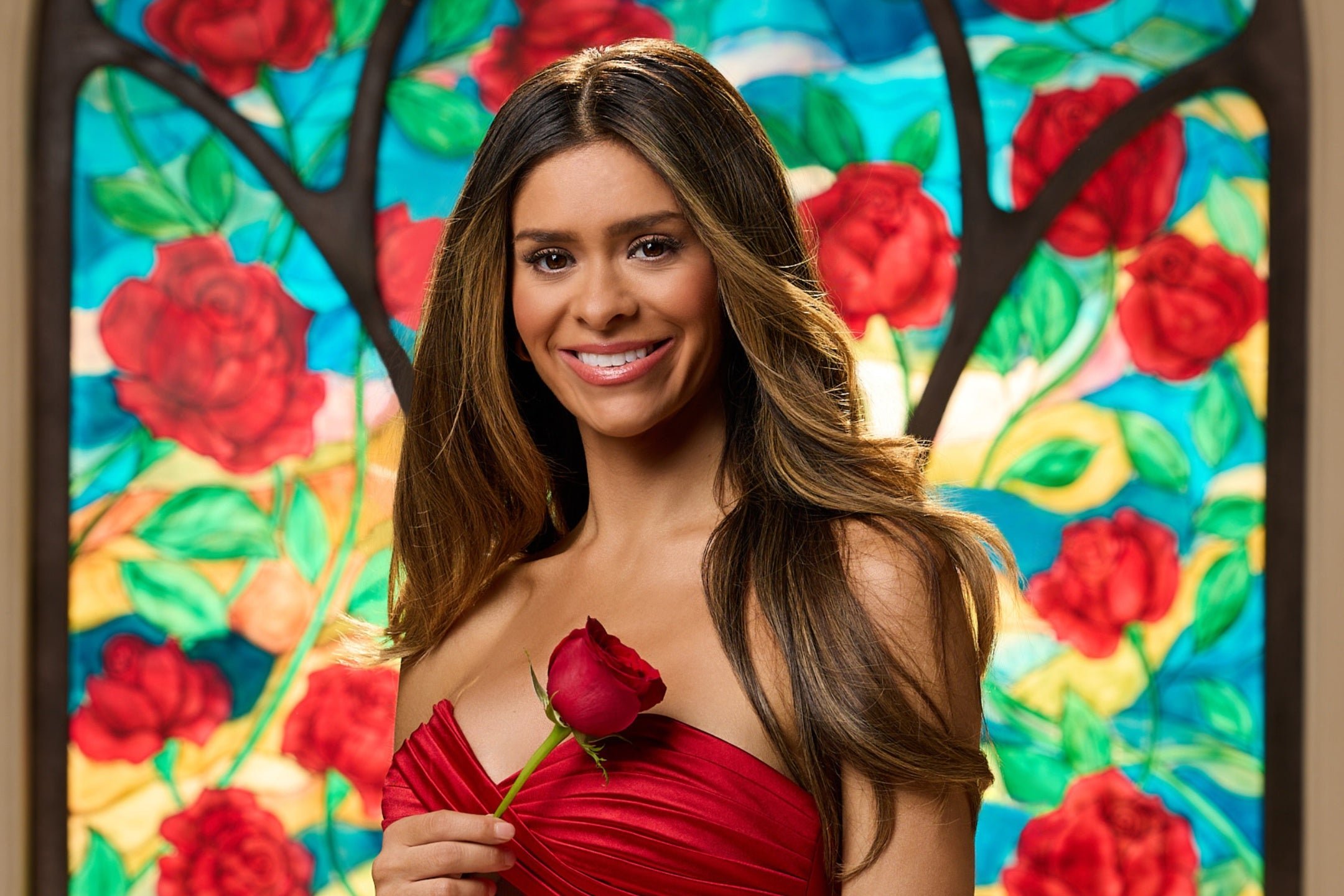
Bachelorette Season 22 Winner
Taylor Swift pregnant by...?

Satoshi's identity be proven by...?
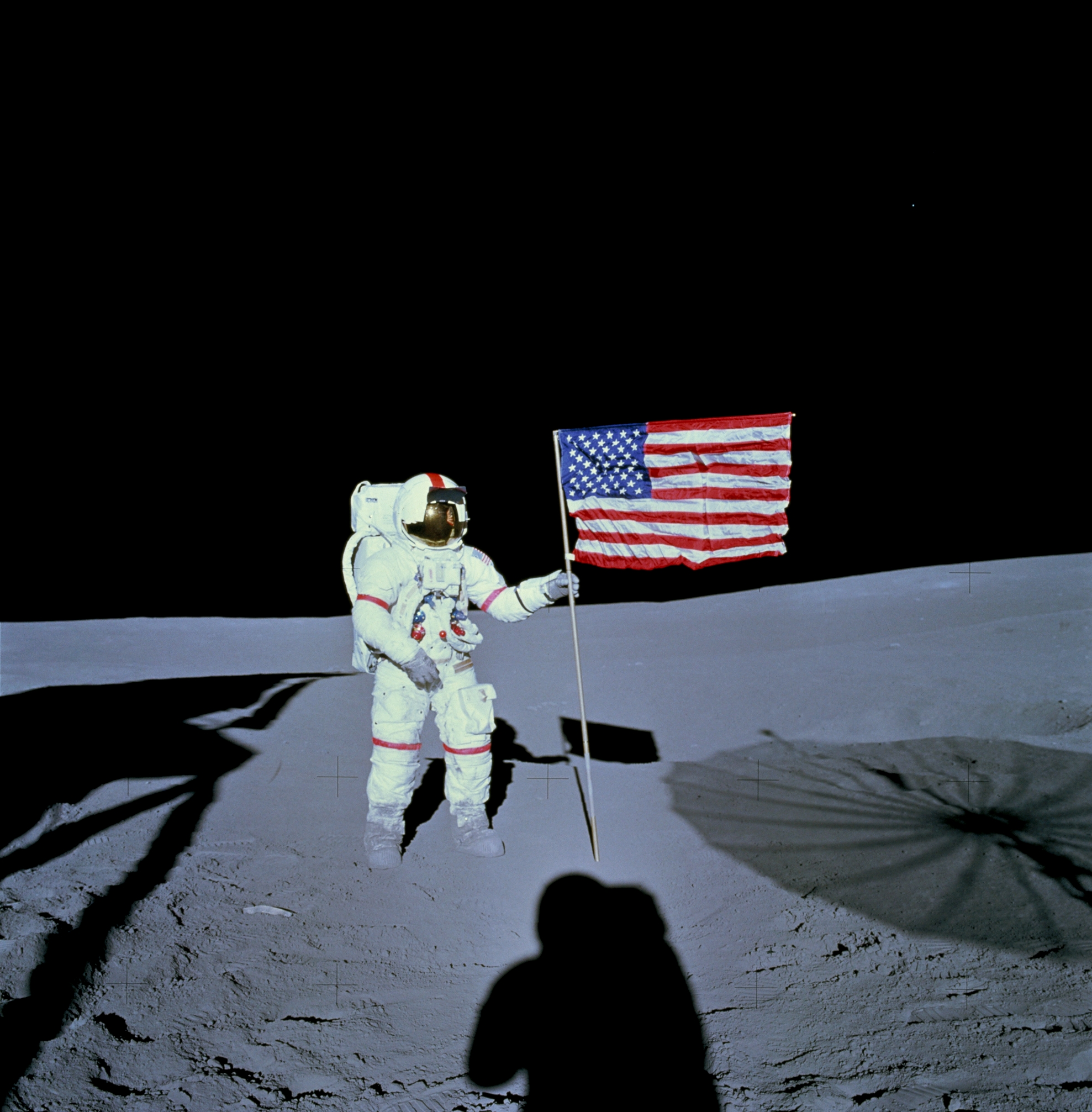
Human moon landing in 2026?
Why Entertainment Markets Appeal to Traders
Predictable Seasonality: Awards ceremonies follow annual calendars—Oscars in March, Grammys in February, Emmys in September. This predictability allows preparation and research months in advance, unlike sports or political markets with variable timing.
Historical Voting Patterns: Academy Award voters (actors, directors, producers) exhibit consistent preferences across decades. Biopics, historical dramas, and films addressing social issues disproportionately win. Science fiction, comedy, and horror rarely win despite box office success. Pattern recognition provides edges.
Lower Stakes Reduce Stress: Entertainment outcomes don’t affect elections, economies, or championship glory. Casual traders appreciate lower emotional investment compared to political markets where thousands of dollars ride on election night.
Accessible Research: Movie reviews, box office data, award nominations, critic scores—all publicly available. No specialized knowledge required like sports analytics or political polling interpretation.
Precursor Awards Predict Outcomes: Golden Globes, Screen Actors Guild Awards, Directors Guild Awards—these precursor ceremonies historically predict 75-85% of eventual Oscar winners. Information cascade creates highly predictable final outcomes.
Oscars Prediction Markets
Academy Awards Structure
Academy Awards (Oscars) represent highest-volume entertainment markets. Current Best Picture race:
“Oppenheimer” wins Best Picture: 42% probability ($0.42), $2.8M volume
“Killers of the Flower Moon” wins Best Picture: 28% probability, $1.9M volume
“Poor Things” wins Best Picture: 15% probability, $1.1M volume
“The Zone of Interest” wins Best Picture: 8% probability, $680K volume
Market structure: Binary YES/NO on each nominee. Approximately 8-10 nominees compete, so probabilities should sum near 100%. When they exceed 100% (due to market inefficiencies), arbitrage opportunities exist.
Historical Oscar Voting Patterns
Genre Bias: Academy voters (median age 62, 67% male through 2020; diversity initiatives changing demographics 2016-present) prefer:
- Historical dramas (85% of Best Picture winners 1990-2020)
- Biopics (60% of winners feature real historical figures)
- Films addressing social issues (racial injustice, war, class struggle)
Academy voters undervalue:
- Science fiction (Blade Runner 2049, Interstellar snubbed)
- Comedy (no comedy won Best Picture since 1977’s Annie Hall)
- Horror (Get Out nominated but lost to The Shape of Water)
Precursor Awards Correlation:
Directors Guild Award (DGA) winner becomes Best Picture winner 75% of time. Producers Guild Award (PGA) winner predicts Best Picture 80% of time. Screen Actors Guild Ensemble Award correlates 70% with Best Picture. Golden Globe Drama winner becomes Best Picture nominee 85% of time (but only wins Oscar 55% of time—Globes less predictive than guild awards).
Nomination Count Matters: Films with 10+ nominations win Best Picture 65% of time. Voters gravitate toward consensus favorites—high nomination counts signal industry-wide respect.
Oscars Trading Strategy
Pre-Nomination Phase (October-December): Market inefficiencies highest before nominations announced (mid-January). Odds reflect critical buzz and box office, not Academy demographics. Strategy: Identify films matching historical Academy preferences (historical dramas, biopics) trading below 25% probability. Buy positions at undervalued odds.
Post-Nomination Phase (January-March): Precursor awards dominate this period. DGA announcements (early February), PGA (late February), SAG (late February)—these predict outcome with 75-85% accuracy. Strategy: Wait for precursor results, then buy clear frontrunner if odds haven’t adjusted fully.
Contrarian Value: When precursor awards split (DGA goes to Film A, PGA to Film B), market uncertainty creates opportunities. Analyze which guild better predicts outcome—PGA historically more reliable. Buy PGA winner at temporarily depressed odds when DGA created confusion.
Acting Categories: Best Actor/Actress markets show even stronger precursor correlation. SAG Award winner becomes Oscar winner 85-90% of time. Strategy: Wait for SAG results (late February), immediately buy SAG winner before market fully adjusts. Liquidity lower than Best Picture markets but inefficiencies larger.
Grammys & Music Awards Markets
Grammy Prediction Challenges
Grammys more difficult to predict than Oscars due to:
- Larger voting body (~12,000 Recording Academy members vs ~10,000 Oscar voters)
- Less transparent voting process
- Fewer reliable precursor awards (American Music Awards fan-voted, less predictive)
Current Album of the Year odds (2025 Grammys):
Taylor Swift “Midnights”: 35% probability, $1.2M volume
Beyoncé “Renaissance”: 30% probability, $1.1M volume
SZA “SOS”: 18% probability, $740K volume
Olivia Rodrigo “Guts”: 12% probability, $580K volume
Grammy Trading Strategies
Genre Analysis: Recording Academy voters historically favor:
- Established artists over newcomers (72% of Album of the Year winners were 2nd+ nomination)
- Pop/rock over hip-hop and country (despite genre’s market share)
- Critical acclaim over commercial success (moderately successful critically-acclaimed albums beat massive commercial hits)
Cultural Moment Recognition: Grammys occasionally reward “cultural moment” albums—Billie Eilish’s When We All Fall Asleep (2020) swept due to youth movement narrative. Identify albums defining 2024’s cultural conversation—market may undervalue cultural significance versus pure musical quality.
Past Snubs Create Overvaluation: Voters sometimes “correct” previous snubs by awarding later work (Macklemore beating Kendrick Lamar 2014, then Lamar winning 2016). Markets overvalue artists “due” for wins—resist narrative bias, evaluate current album independently.
Emmy & Television Markets
Streaming Era Complexity
Emmys face prediction challenges from streaming fragmentation:
- 500+ original scripted series annually (vs. 200 in network TV era)
- Voters can’t watch everything—name recognition and network marketing matter
- Limited precursor awards (Critics Choice, Golden Globes only television predictors)
Current Outstanding Drama Series (2025 Emmys):
“Succession” (final season): 45% probability, $980K volume
“The Crown” (final season): 25% probability, $620K volume
“The Last of Us”: 18% probability, $440K volume
“House of the Dragon”: 8% probability, $290K volume
Emmy Prediction Patterns
Final Season Advantage: Television Academy rewards final seasons at disproportionate rates—”farewell tours” for beloved shows. Breaking Bad’s final season swept 2014, Game of Thrones dominated 2019 despite controversial ending. Succession’s final season (2023) heavily favored despite several strong competitors.
Prestige Network Bias: HBO wins Outstanding Drama 22 of past 30 years. Voters associate HBO with quality, creating unconscious bias. Strategy: Weight HBO shows 10-15% above their “objective” quality would suggest.
Limited Series Advantage: Limited series (The Queen’s Gambit, Mare of Easttown, The White Lotus) face less competition (only other limited series, not ongoing series). Actors from limited series win Emmy acting categories at 2x rate of ongoing series actors—voters spread recognition across more shows rather than repeat winners.
Celebrity & Pop Culture Markets
Market Types & Volumes
Lower volume but entertaining niche markets:
Next James Bond Casting: $1.4M volume
- Current odds: Henry Cavill 28%, Idris Elba 22%, Regé-Jean Page 18%
- Resolution: Official announcement by Eon Productions
- Time horizon: 1-3 years (next Bond film 2026-2027)
Royal Family News Markets:
- Marriage/divorce speculation
- Pregnancy announcements
- Harry & Meghan tabloid predictions
- Low volume ($200-500K) but consistent trader interest
Streaming Renewal/Cancellation:
- “Stranger Things Season 6 announced by 2025” – 65% probability
- “The Witcher cancelled after Season 4” – 42% probability
- Based on viewership data (when available) and production announcements
Celebrity Market Challenges
Information Asymmetry: Industry insiders (agents, studio executives, publicists) possess significant knowledge advantages. Celebrity markets subject to insider information more than awards markets. Casual traders face disadvantages.
Tabloid Misinformation: Celebrity gossip media publishes false rumors regularly. Markets overreact to unverified reports. Strategy: Wait for confirmation from reputable sources (Variety, Hollywood Reporter) before trading celebrity news markets.
Low Liquidity Means Wide Spreads: Celebrity markets often show 15-25% bid-ask spreads. Entry and exit costs eat profits. Only trade celebrity markets with strong conviction and willingness to hold until resolution.
Box Office Prediction Markets
Structure & Resolution
Box office markets resolve based on industry data (Box Office Mojo, The Numbers):
“Dune: Part Three” $300M+ domestic opening weekend: 35% probability, $840K volume
“Avatar 4” becomes 2025’s highest-grossing film: 48% probability, $1.1M volume
Marvel’s “Fantastic Four” $200M+ domestic total: 52% probability, $920K volume
Box Office Prediction Factors
Opening Weekend Correlates with Marketing Spend: Studios spending $150M+ on marketing typically achieve $100M+ opening weekends (assuming franchise appeal). Track marketing budgets via industry publications.
Franchise Fatigue vs Brand Loyalty: Marvel films show declining box office (post-Endgame average down 30%) but Star Wars/Avatar maintain consistency. Analyze franchise-specific trends rather than assuming all franchises equal.
Release Date Competition: Summer blockbuster season (May-August) features intense competition. Films releasing with weak competition outperform expectations. Strategy: Compare release calendars—film opening against weak competition offers value.
Critical Reception Impact: Rotten Tomatoes scores correlate with box office multipliers (opening weekend → total domestic). Films with 85%+ RT scores have 3.5x multipliers; films with 50% scores have 2.2x multipliers. Use early critic screenings to predict final totals.
Risk Management for Entertainment Markets
Award Ceremony Timing Creates Holding Periods: Oscars markets resolve in March, creating 3-5 month holding periods from nomination announcements. Capital locked longer than sports markets (same-day) but shorter than political markets (6-12 months).
Precursor Awards Reduce Uncertainty: After precursor awards (mid-February), winning probability often exceeds 70% for frontrunner. Remaining margin insufficient for attractive returns—late entry limits profit potential.
Multiple Nominees Split Probability: Best Picture markets feature 8-10 nominees, meaning maximum probability for favorite typically 35-45% (unlike binary political/sports markets). Lower individual win probabilities require larger positions for meaningful returns.
Insider Information Risk: Entertainment industry insiders may know voting outcomes before official announcements (leaked ballots, early ballot counts). While rare, potential exists for information asymmetry disadvantaging public traders.
Platform Comparison for Entertainment Trading
Polymarket: Best entertainment market liquidity. Oscars Best Picture sees $2-3M volume annually. 2% profit fees. Crypto-based (USDC) may deter non-crypto-native entertainment fans.
Kalshi: Growing entertainment category. Lower volume than Polymarket but CFTC regulation appeals to US traders. Zero maker fees. Best mobile app for award show night trading.
PredictIt: Historically strong entertainment markets but $3,500 position limits constrain serious traders. 10% withdrawal fees + 5% profit fees = highest total costs. Best for casual $500-1,000 positions.
Conclusion
Entertainment prediction markets provide accessible entry points for new traders with lower stress, predictable seasonality, and historical pattern advantages. $2.5M weekly volume (3% of total prediction market volume) demonstrates steady trader interest, spiking to $10M+ during major award ceremonies. Success requires understanding Academy/Grammy/Emmy voter demographics, tracking precursor awards (DGA, PGA, SAG correlate 75-85% with Oscars), and recognizing historical genre/artist biases.
For traders seeking alternatives to high-stakes political markets or daily-grind sports markets, entertainment offers quarterly opportunities (Golden Globes January, Oscars March, Emmys September, Grammys February) with months of research time and 75-85% predictable outcomes after precursor awards resolve.
Explore other categories: political prediction markets, sports prediction markets, crypto markets. Compare prediction market platforms, track live entertainment markets, or learn general trading strategies.