Sports prediction markets exploded in 2024 as traders sought faster resolution times than political markets’ months-long holds. Kalshi reported sports markets comprising 90% of September 2024 volume at $2.4 billion, demonstrating sports’ potential to rival political markets during non-election periods. This guide covers NFL, NBA, MLB, and international sports markets, comparing prediction market mechanics to traditional sportsbooks, analyzing resolution speed advantages, and providing sport-specific trading strategies for Polymarket, Kalshi, and sports-focused platforms.
Whether you’re trading Super Bowl futures (current odds: Rams +475, Eagles +650) or daily game outcomes, this guide provides the frameworks for sports prediction market success.
🔥 Top Trending Sports Prediction Markets

World Cup Winner

F1 Drivers' Champion

World Cup: Golden Boot Winner

Spain vs. Argentina - Exact Score

NFL Champion 2027
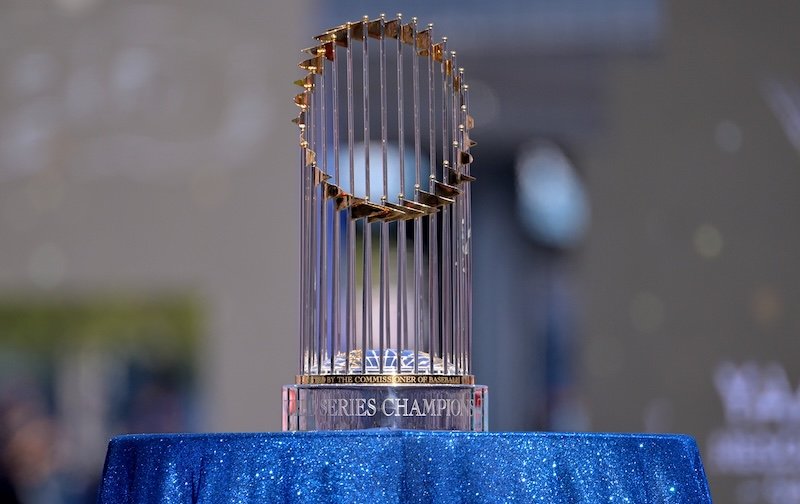
MLB World Series Champion 2026
Spain vs. Argentina - More Markets

NBA: LeBron James Next Team

F1 Constructors' Champion
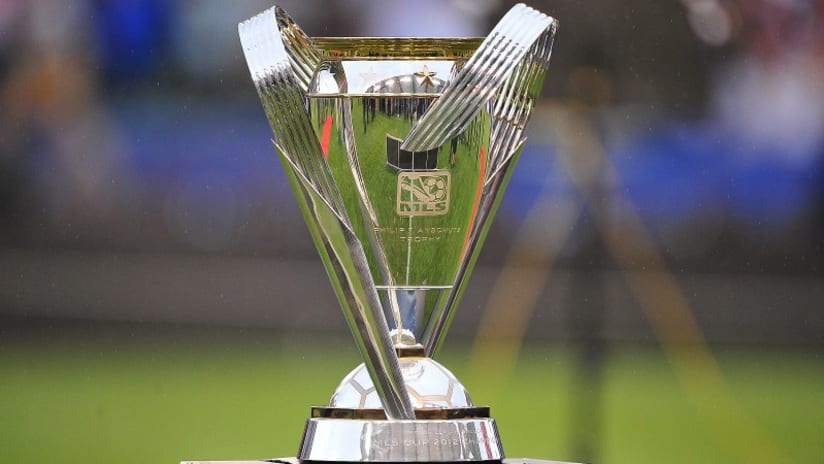
MLS Cup Winner 2026
Why Sports Markets Attract Traders
Same-Day Resolution: NFL games resolve within 3 hours, NBA/MLB within 2-4 hours. Versus political markets taking months/years, sports offers instant gratification and capital velocity.
Regular Schedule: NFL provides 17 weeks of Sunday/Monday/Thursday action. NBA/MLB offer daily games during season. Constant opportunities versus waiting for elections or Fed meetings.
Objective Outcomes: Scoreboards provide indisputable results. No subjective judging (except referee calls, which rarely affect game outcomes). Resolution disputes virtually nonexistent.
Statistical Edge: Advanced analytics (Moneyball approach) provides quantitative advantages. Expected points, win probability models, player efficiency ratings all inform accurate probability assessment.
Lower Information Asymmetry: Unlike political insider knowledge or entertainment industry secrets, sports information is publicly available. Everyone sees same stats, injury reports, weather forecasts.
NFL Prediction Markets
Super Bowl Futures
Highest volume championship market across all sports. Current Super Bowl 60 odds (Feb 2026): Rams +475 (17.4%), Eagles +650 (13.3%), Ravens +700 (12.5%), Chiefs +750 (11.8%). Market spreads 30% probability across top 4 teams—highly competitive field indicates no dominant favorite.
Trading Strategy: Buy early-season undervalued teams with strong fundamentals (offensive/defensive metrics) but slow starts. Sell overvalued teams with weak underlying stats riding unsustainable performance. Monitor injury reports—star QB injury crashes team’s Super Bowl odds 10-15 points.
Seasonal Patterns: Preseason favorites often overvalued based on previous year performance. Early season (Weeks 1-4) creates overreactions to small sample sizes. Mid-season (Weeks 8-12) represents value equilibrium. Late season (Weeks 15-17) when playoff picture clear, markets efficiently price outcomes.
Weekly Game Outcomes
Individual game win/loss markets. Lower volume than futures but frequent opportunities. Strategy requires understanding point spreads (3-point favorites have ~60% win probability, 7-point favorites ~70%, 10-point favorites ~80%).
Key Factors: Home field advantage (worth ~3 points in NFL), divisional rivalries (familiarity reduces favorites’ edge), weather (wind/rain hurts passing offenses, benefits running teams), travel/rest (West Coast teams traveling East for 1pm games underperform), motivation (playoff implications, rivalry games increase intensity).
Player Props
Individual performance predictions: QB passing yards, RB rushing yards, WR receptions. Higher variance than team outcomes but sophisticated statistical models provide edges.
Approach: Use historical performance distributions, opponent defensive statistics, game script probabilities (teams trailing throw more, teams leading run more), weather impacts (wind reduces passing yards).
NBA Prediction Markets
Championship Futures
Current 2025 NBA Finals favorites: Celtics 28%, Nuggets 18%, Lakers 14%, Warriors 12%. Markets less concentrated than NFL—top 4 teams only represent 72% of probability versus 55% in NFL. 82-game season reduces variance, making dominant teams more predictable.
Trading Strategy: Early season overreactions to 5-10 game stretches create buying opportunities on temporarily undervalued champions. Midseason trade deadline (February) reshapes contender odds—teams acquiring stars see 5-10 point odds increases. Playoff seeding matters—top seeds have 60-70% historical win rates in first round.
Game Outcomes & Over/Unders
Daily opportunities during 6-month season (October-April). Pace and offensive efficiency make NBA highest-scoring major sport, creating more statistical predictability.
Key Factors: Back-to-back games (teams playing second game in two nights underperform due to fatigue), travel distance (West Coast to East Coast = 3-hour time zone shift impacts performance), rest days (teams with 3+ days rest outperform opponents with 1-2 days), injury management (load management for star players—Kawhi Leonard sits games unpredictably), tanking (teams out of playoff race deliberately lose to improve draft positioning).
MLB Prediction Markets
World Series Futures
Longest season (162 games) creates most predictable outcomes—cream rises to top. Current favorites shift throughout season as teams exceed/underperform projections.
Strategy: Preseason value on statistically underrated teams with strong run differential and Pythagorean win expectation. In-season adjustments for starting pitcher injuries (top-tier starters worth 5-10 wins). Playoff format (best-of-5/7 series) means best team doesn’t always win—exploit market overvaluation of regular season dominance.
Daily Games
Lower volume than NFL/NBA but consistent daily opportunities April-October. Pitcher matchups dominate—ace starter vs weak offense creates 65-70% win probabilities.
Approach: Starting pitcher statistics (ERA, FIP, K/9, BB/9), bullpen strength (relief pitcher quality determines close games), ballpark factors (Colorado altitude increases scoring, San Francisco marine layer suppresses scoring), weather (wind blowing out favors offense, blowing in favors pitching).
International Sports Markets
Soccer/Football
Premier League, Champions League, La Liga, World Cup markets. Lower US volume but international trader concentration creates liquidity.
Market Types: League champions (ManCity favored most years), relegation battles (bottom 3 teams drop to lower division), individual match outcomes, player goal totals.
Factors: Home field advantage stronger than American sports (especially for passionate fan bases), fixture congestion (teams playing multiple competitions experience fatigue), managerial changes (new manager “bounce” sees short-term performance improvement).
International Competitions
Olympics (Summer/Winter), World Cup (every 4 years), Rugby World Cup, Cricket World Cup. Lower frequency but massive global interest creates volume spikes.
Strategy: Specialized knowledge of international athletes/teams provides edges unavailable in mainstream US sports. Underdogs in international competitions offer value—variance in short tournaments (7-game World Cup run) means favorites don’t always win.
Sports Markets vs Traditional Sportsbooks
Pricing: Prediction markets: Continuous peer-to-peer pricing reflecting real-time supply/demand. Sportsbooks: House sets odds with 5-10% edge built in.
Fees: Prediction markets: 0-2% on profits (Kalshi/Polymarket). Sportsbooks: 5-10% vigorish embedded in odds.
Liquidity: Sportsbooks offer instant liquidity at posted odds. Prediction markets require matching buyer/seller, but limit orders allow patient traders to get better prices.
Market Efficiency: Sportsbooks highly efficient due to professional sharp bettors. Prediction markets newer, sometimes less efficient, creating opportunities.
Platform Comparison for Sports Trading
Kalshi: Dominant sports market platform post-election 2024. $2.4B September volume (90% of total). Best mobile app with real-time notifications. Zero maker fees. CFTC-regulated. Covers NFL, NBA, MLB, college football, college basketball, and tennis.
Polymarket: Growing sports category. Lower volume than Kalshi but improving. 2% profit fees. Crypto-based (USDC). Offers unique markets not available on Kalshi.
Traditional Sportsbooks: Higher liquidity, more market variety (player props, game props, live betting). 5-10% higher costs due to vigorish. Not structured as prediction markets (can’t exit positions early at market price).
PredictIt: Limited sports markets, mostly championship futures. Not competitive with Kalshi for sports-specific trading.
Trading Strategies for Sports Markets
Statistical Models: Build expected win probability models using advanced metrics. NBA: Offensive/defensive rating, pace, net rating. NFL: Expected points added (EPA), success rate, DVOA. Compare model probabilities to market odds—5%+ discrepancies represent trading opportunities.
Injury Analysis: Star player injuries dramatically shift odds. Follow beat reporters, injury reports, practice participation. Trade immediately on injury news before market fully adjusts.
Line Shopping: Compare odds across Kalshi, Polymarket, traditional sportsbooks. Buy at best available price, potentially arbitrage when prices diverge 3-5%.
Hedging In-Season: Buy Super Bowl future preseason at long odds (+2000), team exceeds expectations and odds shorten to +600. Sell position or hedge with opponent bet in actual Super Bowl for guaranteed profit.
Contrarian Approach: Fade public overreactions to recent performance. Team loses 3 straight, market overreacts pushing odds down 15%, but underlying metrics remain strong—buying opportunity.
Conclusion
Sports prediction markets provide daily/weekly trading opportunities with same-day resolution, objective outcomes, and statistical analysis advantages. Kalshi’s $2.4B September 2024 sports volume demonstrates category’s growth potential. Success requires sport-specific expertise, statistical modeling, injury monitoring, and understanding market psychology.
For traders seeking faster capital velocity than political markets or more frequent opportunities than entertainment markets, sports offers ideal combination of regular schedule and objective resolution.
Explore all prediction market categories, learn general trading strategies, compare platform features, or track live markets including sports.